Age Criteria for CBSE School Admission in Gurgaon 2026–27: A Parent’s Guide
Every year, thousands of parents across India search for the correct age their child must be to enroll in a specific class at a CBSE-affiliated school. Understanding the age criteria for CBSE school admission helps parents complete the process smoothly and ensures children enroll in age-appropriate classes that support their academic, social, and emotional development.
In this blog, we will explain the CBSE age criteria for the 2026–27 academic session, clarify minimum age requirements for different classes, and help parents make informed admission decisions with confidence—especially for parents considering admission at The Beacon School, one of the best CBSE schools in Gurgaon, known for its structured and child-centric learning approach.
Understanding the CBSE Age Framework (5+3+3+4 Structure)
The education system follows a structured 5+3+3+4 model, introduced under the National Education Policy (NEP 2020). This framework divides a child’s school journey into four stages based on their age and learning needs, ensuring that education matches their natural growth and development.
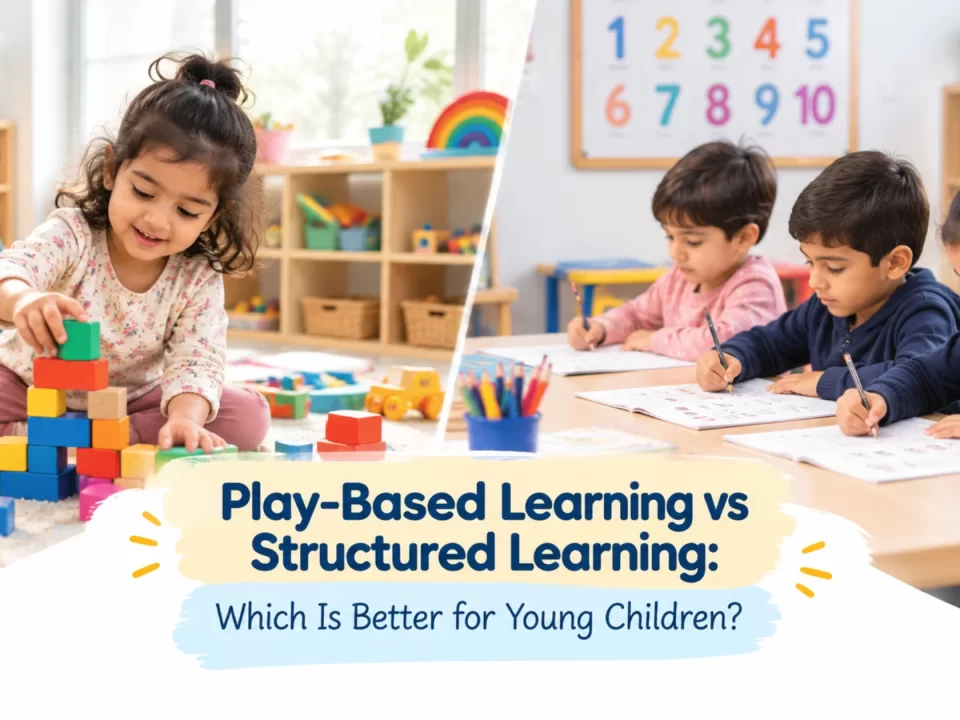
• Foundational stage (Age 3–8 | Nursery to Class 2): Focuses on play-based and activity-based learning. Children develop language skills, basic numeracy, motor skills, and social confidence.
• Preparatory stage (Classes 3–5): Introduces more structured classroom learning and core academic subjects.
• Middle stage (Classes 6–8): Emphasizes deeper subject understanding, concept clarity, and logical thinking.
• Secondary stage (Classes 9–12): Prepares students for board examinations, career choices, and higher studies.
Age placement is crucial because each stage builds on the previous one. To maintain consistency, schools use 31st March as the admissions cut-off date to ensure children are admitted to the right class according to their age and development level.
Class-Wise Age Eligibility for CBSE Admission (2026–27)
Most CBSE schools in Gurgaon and across India follow 31st March as the age cut-off date for the academic year.
The general age eligibility framework is as follows:
| Class | Minimum Age (by 31 March 2026) | Typical Age Range |
| Nursery | 3 years | 3–4 years |
| LKG | 4 years | 4–5 years |
| UKG | 5 years | 5–6 years |
| Class 1 | 6 years | 6–7 years |
| Class 2 | 7 years | 7–8 years |
| Class 3 | 8 years | 8–9 years |
| Class 4 | 9 years | 9–10 years |
| Class 5 | 10 years | 10–11 years |
| Class 6+ | Add one year per grade | — |
As per NEP 2020 and state education directives, the minimum age for Class 1 is now 6 years by the cut-off date, ensuring children complete three years of foundational learning (Nursery, LKG, UKG) before entering formal primary education.
Why School Age Criteria Matters
Following the prescribed age criteria helps ensure that children are emotionally and socially prepared for a structured learning environment. When children start at the right age, they can better participate actively in classroom activities, build friendships, and adjust to daily routines more smoothly. Beyond academics, co-curricular exposure such as structured sports programmes further strengthens discipline, teamwork, and resilience among students.
Maintaining correct age alignment also brings consistency across schools and education boards, ensuring students progress through grades at a similar pace without gaps or mismatches in eligibility. It lowers the chances of admission rejection and provides parents clear guidance during enrollment. Most importantly, proper age placement allows children to learn in a calm and supportive environment, enabling them to grow academically while enjoying their early school years.
Early vs Delayed School Admission: What Should Parents Know?
Some parents often consider early admission to give their child a “head start,” while others may prefer delaying admission for maturity reasons. Both choices require thoughtful consideration due to their potential long-term effects. A child admitted too early may struggle with classroom pace and feel academic pressure. On the other hand, delaying admission can sometimes create a slight social imbalance, where the child feels older than peers.
It’s also important to consider future milestones. Early admission may shift timelines for:
• Board examinations
• College entry
• Career progression
The structured age criteria for CBSE school admission helps avoid these challenges by placing children in the appropriate peer group. When students learn alongside peers of similar age and readiness, they tend to feel more confident, socially comfortable, and better prepared for each academic stage.
CBSE Age Criteria at The Beacon School
At The Beacon School, admissions are aligned with CBSE norms and NEP 2020 guidelines. The school follows a structured age eligibility to ensure that each student:
• Enters the appropriate class at the right stage of development
• Receives age-appropriate learning support
• Builds confidence within a balanced peer environment
• Transitions smoothly through foundational and preparatory stages
Parents are encouraged to verify their child’s eligibility based on date of birth before submitting the application form, ensuring a smooth and hassle-free admission process.
Final Thoughts
Understanding the age criteria for CBSE school admission in Gurgaon for the 2026–27 academic session helps parents make confident and informed admission decisions. The structured framework introduced under the National Education Policy (NEP 2020) supports age-appropriate admission, leading to better academic readiness and social confidence.
Whether you are considering Nursery admission or considering entry into higher classes, verifying your child’s eligibility in advance helps avoid last-minute concerns and ensures a smooth admission process.
For personalized guidance and clarity on age requirements, connect with the admissions team at The Beacon School today and take the next step toward a confident start for your child’s future.