The Value of Early Childhood Education Through Toddler Programs in Sector 64, Gurgaon
The earliest years of a child’s life are filled with quiet discoveries. Learning does not arrive as lessons or instructions, but through movement, curiosity, and repeated exploration. For parents, this stage often brings a mix of excitement and questions. Is my child ready for a structured environment? What does meaningful learning look like at this age?
Early childhood education is less about preparing children for school and more about supporting development as it unfolds naturally. This is why many families begin by exploring a toddler program in Sector 64, Gurgaon, looking for an environment that feels calm, responsive, and grounded in an understanding of early development. At The Beacon School, these early years are viewed as the foundation on which confidence, curiosity, and independence gradually take shape.
Learning Before Learning Has a Name
Toddlers learn long before they can explain what they know. They learn through touch, movement, sound, and repetition. A well-designed early childhood program respects this rhythm rather than rushing it. Structure exists, but it is gentle. Guidance is present, but never overwhelming.
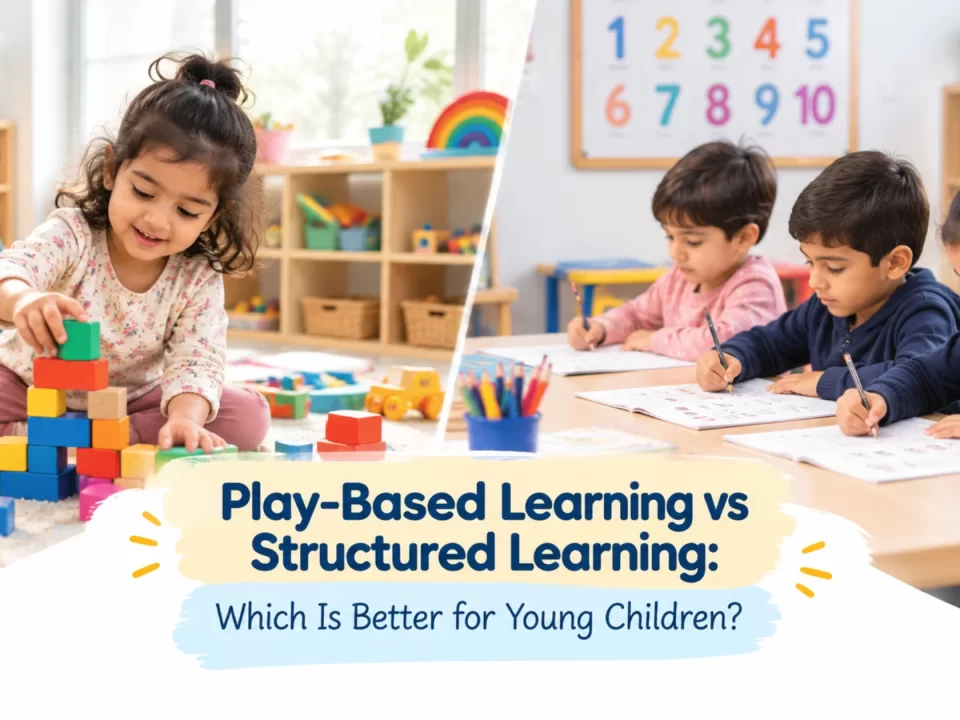
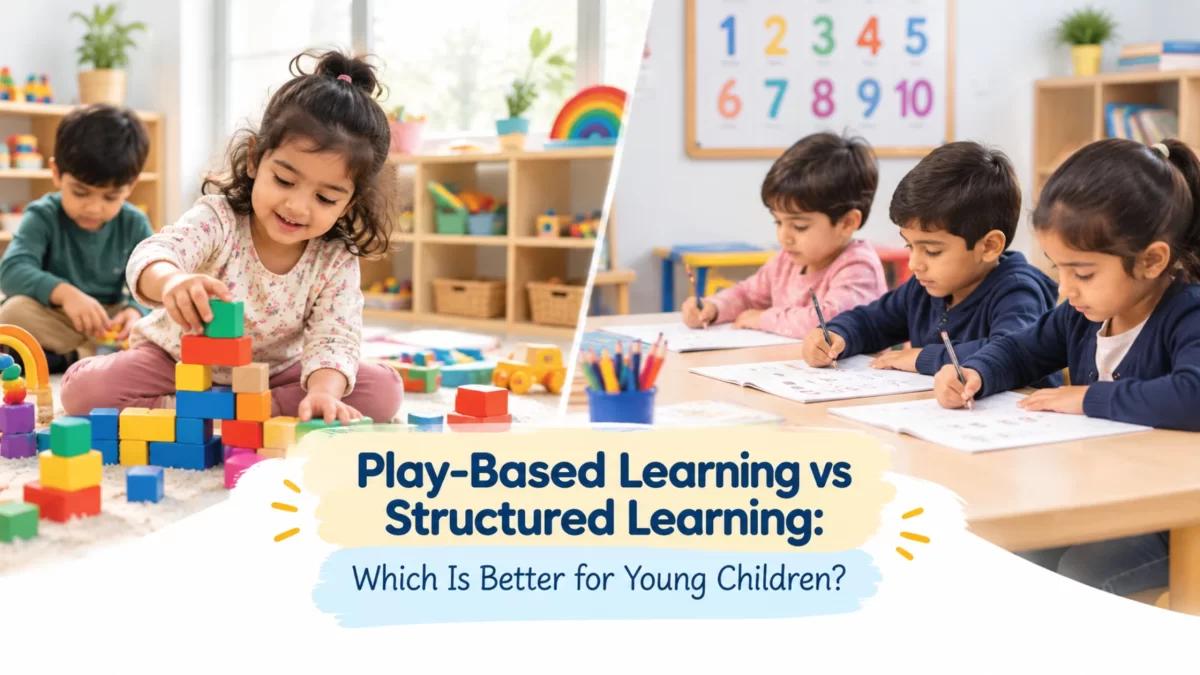
At Beacon, play is recognised as the primary mode of learning during the toddler years. Simple activities like stacking blocks, exploring textures, or listening to stories help children build focus, coordination, and early language skills. Daily routines offer predictability, allowing children to feel safe enough to explore their surroundings with confidence.
The Importance of a Safe and Thoughtful Environment
For parents searching for the best toddler programs, emotional safety is often the starting point. Young children need consistency, warmth, and patience before they can engage meaningfully with their environment. Teachers who observe closely and respond calmly help children feel secure and understood.
The toddler spaces at The Beacon School are designed to support exploration without overstimulation. There is room for movement, moments of quiet, and opportunities for social interaction. Educators model behaviour gently, helping children learn how to express needs, navigate shared spaces, and build early social awareness.
When children feel supported early on, confidence tends to develop naturally.
Building Foundations That Last
Early childhood education shapes skills that extend far beyond the toddler years. Attention, communication, emotional regulation, and independence begin forming during this stage. These abilities are built through consistent experiences, relationships, and trust rather than formal instruction.
Parents often notice small but meaningful changes. A child who becomes more comfortable in group settings. One who begins to communicate preferences. Another who shows curiosity through stories, music, or movement. At Beacon, these moments are seen as important milestones, even when they appear quietly.
For families considering a toddler school in Gurgaon, location matters, but philosophy often matters more. Understanding how a school approaches early learning helps parents feel confident about the journey their child is beginning.
Partnering With Parents From the Start
Strong early education works best when parents and educators move together. Open communication and shared observations help create continuity between home and school. At The Beacon School, families are encouraged to stay engaged through regular conversations and a collaborative approach to early development.
Choosing a toddler program is often a family’s first step into formal education. Taking the time to observe classrooms, speak with educators, and reflect on values allows parents to choose an environment that feels supportive rather than rushed.
A Thoughtful Beginning at Beacon
At The Beacon School in Sector 64, early childhood education is approached with care, patience, and intention. Toddler programs are designed to support children where they are, recognising that growth at this stage looks different for every child.
For families exploring early learning options, Beacon offers an environment where children are given the time and space to grow, and parents are supported through clear communication and trust. After all, the earliest learning experiences often shape how children feel about learning itself, long before academics begin.